We reached Tadapani at 4.30pm on day 3 of our 13-day trek. The rain and hail had stopped, but grey clouds continued to swirl and thunder still rumbled overhead. The twelve members of our party had been stretched thin by a steep climb up from a river crossing a couple of kilometres back.
Amy and I turned around as we reached the first tea house and waited. Peering out from under our rain hoods we could see other trekkers through the windows of various guesthouses, already comfortably settled into their accommodation for the night. Emma and Oliver came next with Tobin, Sydney, Andrea and Peter, our Canadian friends not far behind. Pasang, Nima, Pemba and Mingma, our guides and porters, were hot on their heals despite being weighed down with our gear.
Tadapani was a pretty little village, nestled in a saddle of the mountain foothills. Heavy set stone guesthouses roofed with the ubiquitous blue corrugated iron of this area were joined by terraced stone walkways and patios. It was surrounded by the Rhododendron forest that had made for a wonderful days trek and would have had magnificent views had the weather been clear.
It would have been nice to linger. We had hiked a full day already from Ghorepani along high ridges with views of the Annapurna range before descending steeply into a beautiful forested gorge following a babbling creek. The weather had been perfect right up until we finished lunch. Then clouds gathered threateningly and the heavens opened.
By the time we reached Tadapani we were all tired and wet and while some us may have been ok with trekking in the storm others were not. Our night’s accommodation was, according to our guides, 20 minutes further on and with the clouds again darkening overhead we drew breath and hurried on.
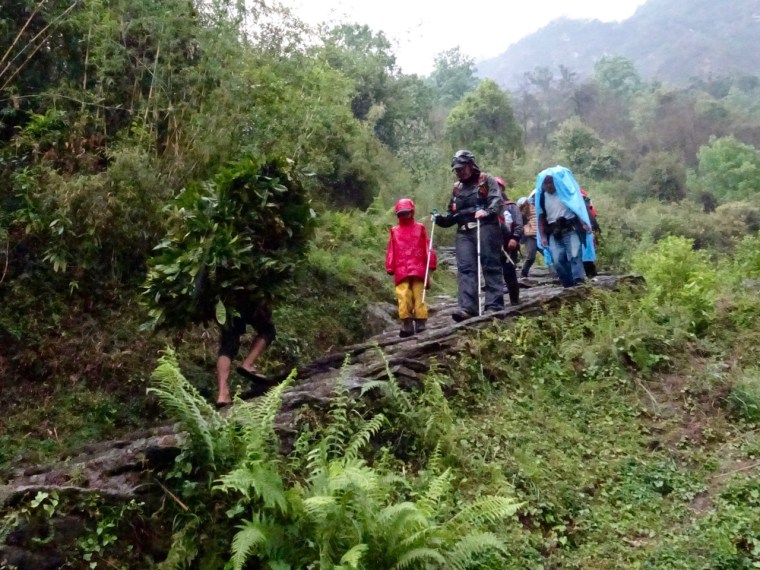
Nima lead the way, with Tobin and Andrea hot on his heals as we very quickly gave up hard won elevation. No sooner had we left Tadapani than the rain, thunder and lightning started up again. We were somewhat protected by the forest but that also reduced the ambient light and it suddenly felt like night was only a short time away. Down and down we went, with increasing urgency, following a goat track of a trail over twisted roots, muddy slopes and unsteady rocks.
The rain began to mingle with hail while the thunder and lightning continued to crackle. After twenty minutes of racing down the hillside our estimated time of arrival stretched to ‘twenty-five minutes more’. I tried not to be despondent, but began to question whether we should have insisted on stopping for the night back at Tadapani.
It had already been a long day. Peter, Emma, Amy and I had started walking at 4.30am that morning for a side trip to watch sunrise over the Annapurna range from the 3200 metre Poon Hill. The others were also awake and out of bed at that time, at least for a while, after Pasang had come knocking on our door reporting that the weather was all clear and the views worth the early morning effort. Whether to stay at Tadapani was, however, now a moot point. We had given up so much elevation so quickly that it would have been more than we could muster to climb back up the way we had just come.
So we pushed on, and on. Tobin in particular was on a mission to put a solid roof over his head as soon as possible. He marched determinedly at Nima’s heals. If he could have gone faster and the lead the way himself, I’m sure he would have. Andrea was right behind him equally determined to support him in his endeavour. The light got dimmer as the day faded in earnest. My own anxiety grew a little as I steadied my voice to reassure Amy our guides knew exactly where they were going.
And then, just as quickly as we had stepped into the darkness of the forest we stepped back out. Lightning still flashed and rain and hail continued to fall, but without the canopy of trees overhead everything was brighter, including our spirits. A blue tin roof five hundred metres on had us convinced our day was finally done. I relaxed, squeezed Amy’s hand and reassured her we were finally there. When we caught up with Andrea, Tobin and Nima however, Andrea looked at me gravely and informed us, ‘this isn’t it’.‘Apparently it’s just over there’, Andrea said pointing to a place out of sight below the hill which continued steeply down before us. When everyone else caught up we stepped out from under the eaves of the abandoned building we were sheltered under and followed Nima once again. Five minutes later it was ‘it’. A brightly coloured and cheery Nepalese teahouse presented itself sitting snug into the hillside. The tension lifted and Peter calmly declared, ‘that’ll be the day we talk about the most’.
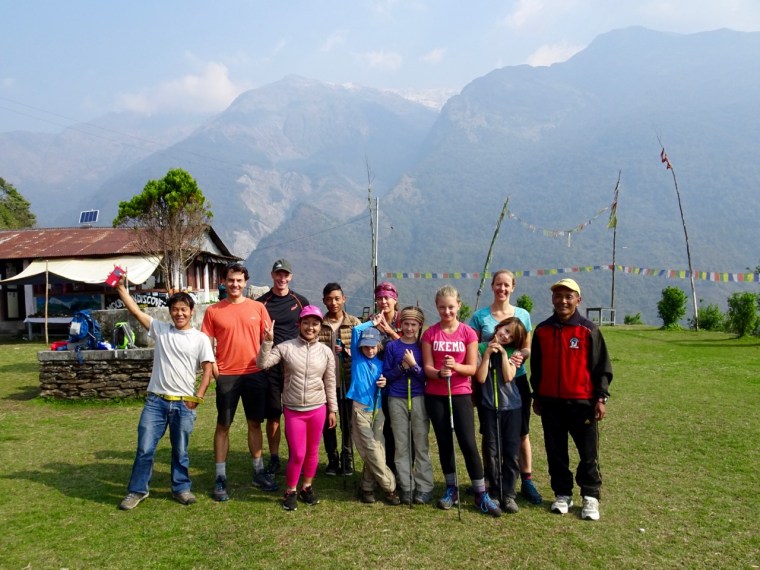

Maybe. We encountered a similar storm the very next day. Despite these challenges everyday of our journey to Annapurna Base Camp and back seemed better than the last.
The trek started at Nayapol (1090m), where we were dropped off after a hairy minibus ride. ‘We go by walk now’, Pasang told us. Nearly everybody and every thing ‘goes by walk’ from that point. Just a little further on, at the village of Hille, the road ends, but despite the lack of vehicles a network of villages and life carries on. They are supplied with everything you could want by trains of donkeys laden with goods or by basket carrying Nepalese bearing up to 120 kilos at a time (or so we were told) as they climb up and down the steep mountain trails.
Trekking here therefore really requires very little. Way less than perhaps than we had loaded onto the backs of our Nepalese guides and porters. Based on previous hiking and camping experience we took everything we would usually take for a week or so in the wild minus the tents, cookware and food (we did take approximately 60 snickers bars). Even then the eight of us managed to fill three large packs and four day packs with stuff.
Our Nepalese companions by comparison appeared to bring little more than the clothes on their back (jeans and a t-shirt) and a warm coat for the evening. While trekking through afternoon thunderstorms in our fancy new raincoats and rain pants, Pasang, Nima, Pemba and Mingma simply pulled a large plastic bag over the packs they carried to keep it and them dry. I wondered what they really thought of us and all the other trekking pole wielding, gortex clad warriors they accompany.

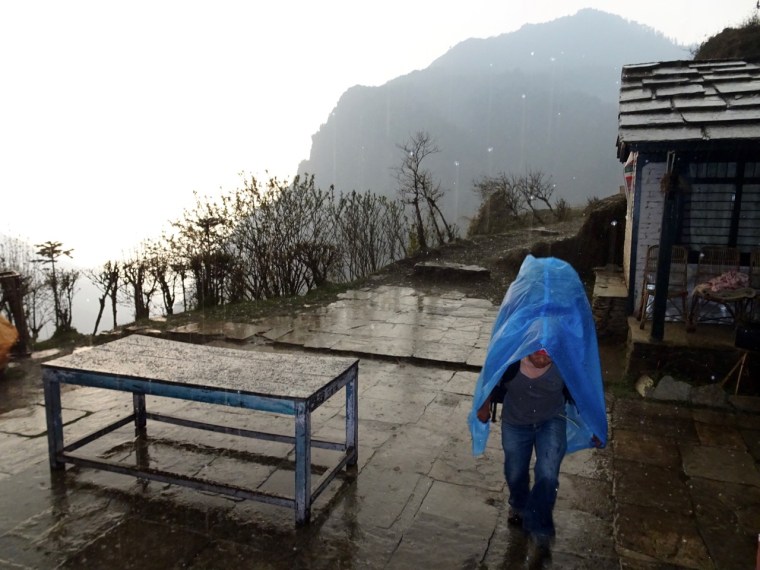
They probably weren’t too fussed. Carrying gear for foreigners, no matter how over the top, provides much needed income. Pasang, our guide for these two weeks had his home destroyed in the massive earthquake that happened almost exactly a year ago. He and his family have been living in a leaking tent ever since as they work to save up enough money to finish off the house they are building to replace the old one.
Pasang, ‘…is a mountain man’, the fellow at the Trekkers Information Management Office in Pokhara had told us before issuing our trekking permit. He had insisted on meeting our guide before issuing the relevant documentation. Pasang however had only to say a few words before the permit man was convinced of his credentials. Pasang himself would say, ‘I’m Nepalese strong’. He was too, although I didn’t really know what ‘Nepalese strong’ meant at first. I thought we were pretty strong too. Emma and I have both been known to run long distances and we have both lugged twenty plus kilo packs uphill and down dale in our time. Andrea and Peter have similar, and probably even more adventurous, credentials. If it weren’t for the cultural expectation that a guide and porters be employed before heading into the mountains, I probably would have insisted on lugging my own bag here as well.
By the end of day two however, I had changed my tune. The day started out innocently enough, contouring around the side of the plunging ravines which make up this area (and most of Nepal I suspect). The stone trail soon turned to stone stairs that went up and up and up. Then they went up some more. Up we went too until we had climbed so far I found it hard to comprehend that there could be anymore land up there above us.


‘Bishtari, Bishtari’ or ‘slowly, slowly’ Pasang urged us all, but by lunchtime the collective burn in our thighs was enough to cook a meal. We sat and enjoyed a lunch of potato rostis, fried noodles and rice and other items from the set mountain menu while enjoying the view from a terrace perched precariously on the edge of the slope. And yet our days work was only half done. We had climbed 800 metres since starting out that morning and still had 600 more to go before reaching the village of Ghorepani at 2800m.
For the most part everyone took the day’s toils in their stride. Tobin displayed character which belied his age initiating game after game of ‘20 questions’ as he hiked along in good humour. So, for that matter, did Sydney and Amy. Andrea and Peter’s ‘peg game’ kept everyone well entertained. We all snuck around trying secretly to deposit a clothes peg on a fellow hiker without their noticing and then watching with amusement to see how long it would take them to discover they had been ‘pegged’. Oliver found some demons to contend with late in the day as the efforts of our ascent took their toll, but kept on regardless.
We reached Ghorepani, our home for the night, nearly eight and a half hours after setting out and with a collective sigh of relief. An apple strudel from the German Bakery below the rustic Fishtail guesthouse revived Oliver’s spirits and I reflected on the meaning of ‘Nepalese strong’. I was forced to admit I was very grateful for the company and assistance of our porters and guide.
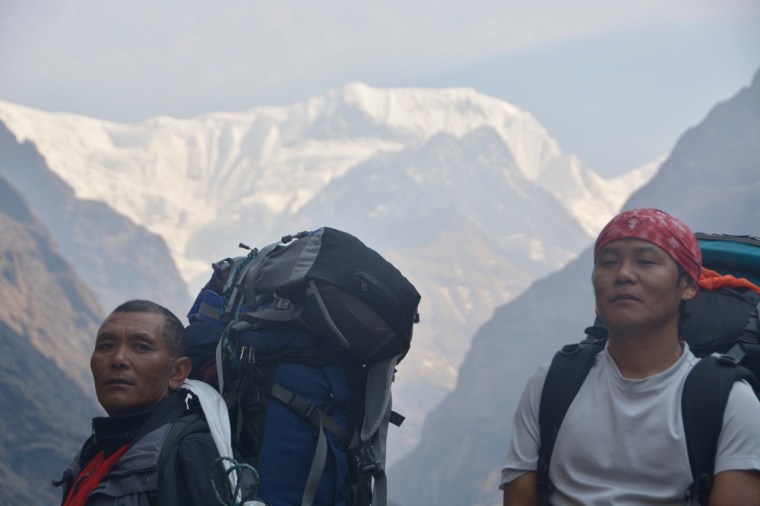
Back to the the morning after our trek through the storm (day 3) – it dawned clear and calm. The rain had washed much of the smog and haze from the air and mountain peaks which had appeared ill defined and floating, as if in mid air, from Poon Hill suddenly crystallised. I felt 20% happier just for standing and looking up at the ice covered ridges, peaks and flutes.

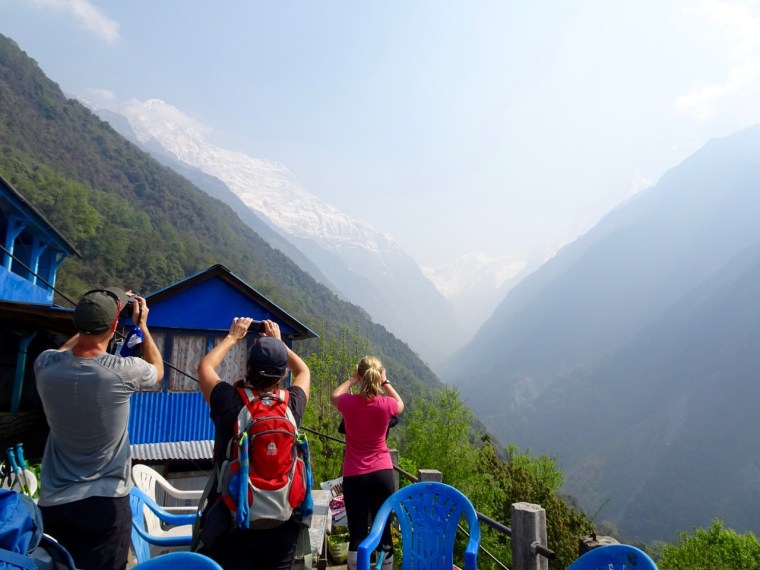
We set off by continuing steeply downwards to a suspension bridge over a river before climbing right back up the other side. Nowhere in Nepal is flat. Obvious I know, but still quite a thing to experience. In the mountains of Nepal, you walk everywhere and everywhere is either up or down and steep, regardless of direction.
It was fascinatingly wonderful to walk through the landscape. Not a wilderness, but still wild. Small stone villages dot the massive slopes, surrounded by terraced agricultural land and interspersed by patches of forest, plunging creeks and waterfalls. On some slopes landslides stood out like scars with huge piles of rubble and debris accumulated in the river channels below.


Flat spaces upon which to stand, live and grow crops have all been hard won, hewn by human hand from the hillsides. As we occasionally contoured around the hills rather than climbing up or down, I felt like I was flying, such was the perspective granted by our vantage point over life on the hillside below.


On day 4, at the village of Chhomrong three valleys intersect. To our right the valley descended the way we would travel upon our return from the top. Behind us was the path we had just traversed from Tadapani and to our left the valley leading up to Annapurna Base Camp – still 2000 metres higher than where we stood.

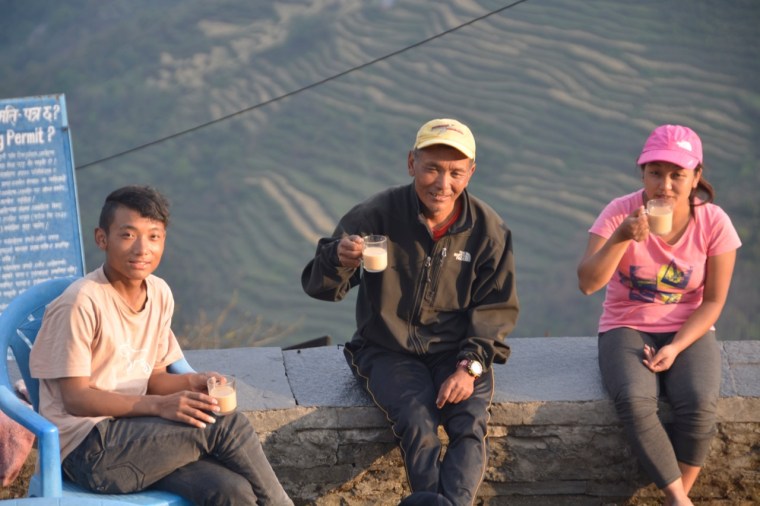
I could have turned back to finish our trek at this point and been eternally grateful for a magnificent experience. There was however no need for that. We all seemed to grow in strength each day, even if we were well ready for sleep each night. Oliver, having found the third quarter of day 2 tough had landed upon a sound strategy for managing the physical ups and downs and was now taking the whole experience easily in his stride. Tobin struggled with the afternoon storms which crackled across the sky but despite that showed no sign of wanting to turn back.
Overall, the eight of us, twelve including our guides, were getting along so well I couldn’t think of anywhere I would rather have been or anything I would rather have been doing. The whole experience was so enjoyable you couldn’t help but be present. No thought of where we were going next, or what had happened to bring us here entered my head, so absorbed was I in the company of our Canadian friends, the sights and sounds of life in the mountain foothills and the huffing and puffing of steps, stairs and trail.
It only got better from there. As we climbed up the valley towards our goal, agricultural and village life gave way to bamboo forested slopes filled with birdsong and the occasional group of monkeys. As we went higher the forest fell away too. Massive glacially carved valleys were filled with alpine grasses and all around us waterfalls plunged from impossible heights towards the river we were following. Surely this valley must have been the inspiration for the elven homeland of ‘Rivendell’ in the movies of The Lord of the Rings.
The scale of the place was hard to process. From exactly how high on the mountainside the many waterfalls tumbled I cannot say despite standing, pondering and marveling for quite some time. It must surely have been hundreds of metres, but could easily have been much more. Just as in the Australian outback we found it impossible to capture a sky which stretched 180 degrees from horizon to horizon in all directions, here it was impossible to point a camera at anything more than a sliver of the mountain scene. Though Peter and I tried our best!

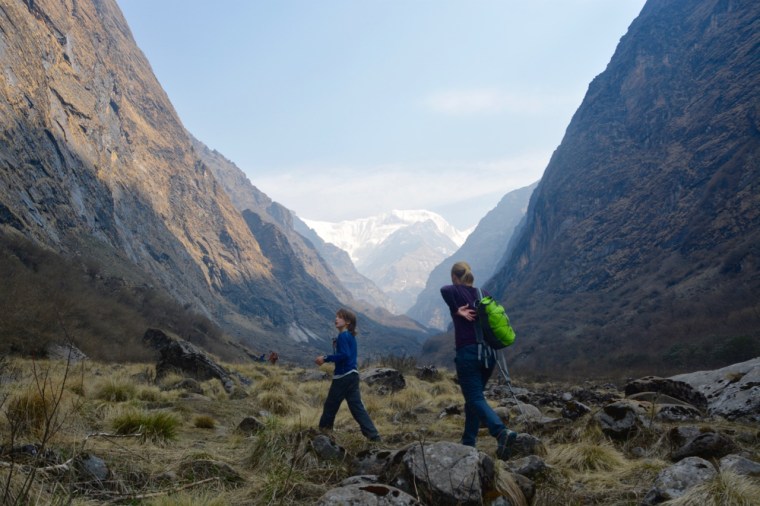
We climbed the final 900 vertical metres to Annapurna Base Camp on day 7 and for one reason or another it seemed a whole lot easier than the climb to Ghorepani on day 2. We made Machapuchare Base Camp (MBC) by 11.00 am under bright blue sky and with brilliant views. Machapuchare is a sacred mountain standing 3 metres shy of 7 kilometres above sea level. It has an unusual shape, something like a fishtail and often goes by that name.
Ahead of us was a snow fall leading towards Annapurna Base Camp. The weather closed in quickly as we set off for the final leg. The temperature dropped markedly and t-shirts were soon replaced with coats and beanies and gloves were dug out of packs. Visibility also diminished as misty clouds blew silently past and the mountains disappeared from sight.
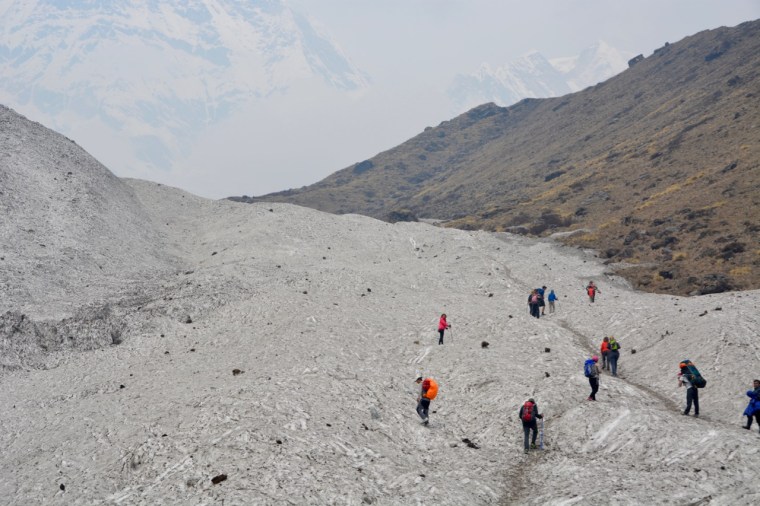


When we reached ABC a couple of hours later it was impossible to imagine the mountains even existed. They must surely have been all around us, but all we saw were glimpses of snow and rock as the swirling clouds parted briefly before closing again. We played cards, read books, and drank warm drinks in the relatively warm common room with folk from all over the world and trusted the next morning would reveal the sights we had come to see.


Too much lemon ginger tea stirred me from my warm and cozy sleeping bag at 11.30pm that night. I reluctantly stumbled out of the dorm room we were all sharing to be greeted by a most excellent sight. The light of a nearly full moon illuminated crystal clear, 360 degrees, views of the Annapurna amphitheatre of mountains.
Annapurna Base Camp is surrounded by peaks. Our ascent in the misty weather now felt like climbing through a trapdoor into this secret, hidden place. Now it was the way back down to the world below that was hidden from view. I was so awed I stumbled around for 15 minutes before the sub zero cold and lack of clothes forced me back to bed.
I got up again a short time later when Peter went through the same experience. Peter however had no intention of returning to bed. Instead, after returning from the loo (washroom for Canadians), he started to fumble about in the dark as quietly as possible for his camera equipment. We both dressed more appropriately before spending an hour marveling at the sight. Tiredness saw us reluctantly return to bed around 1.00am.
We all emerged one by one from around 5.00 am that same morning though I wasn’t sure daylight could do anything to enhance the view. It was however like changing from black and white TV to colour making the scene that much more vivid. Many photos were taken.

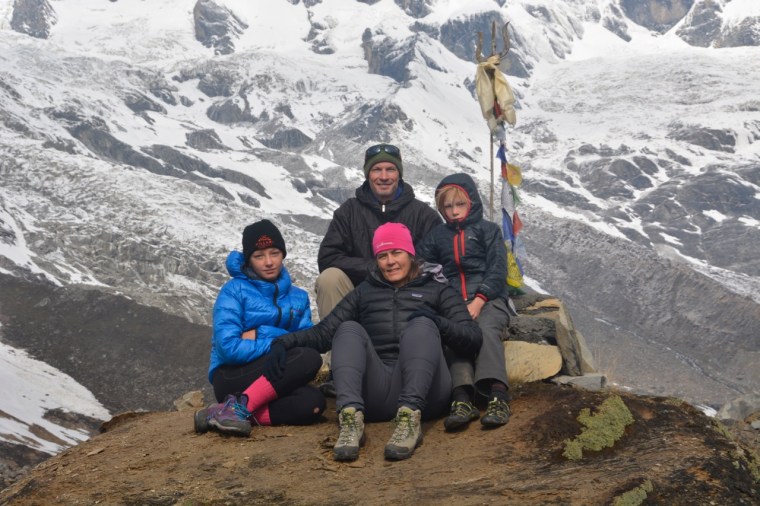


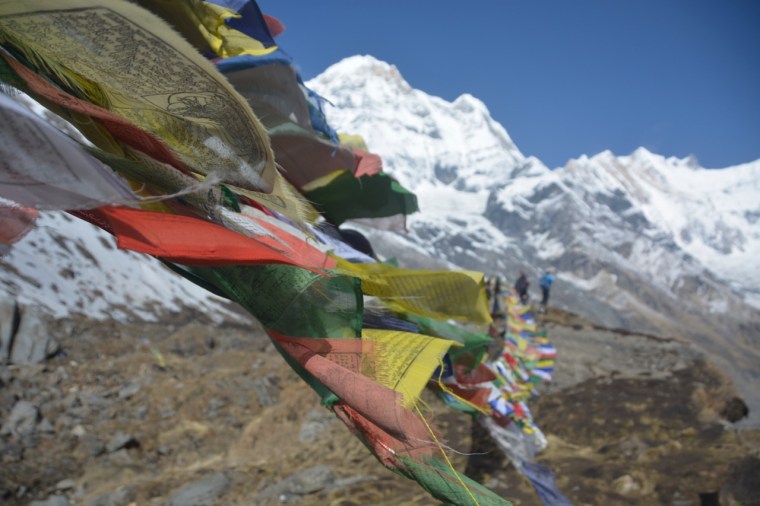

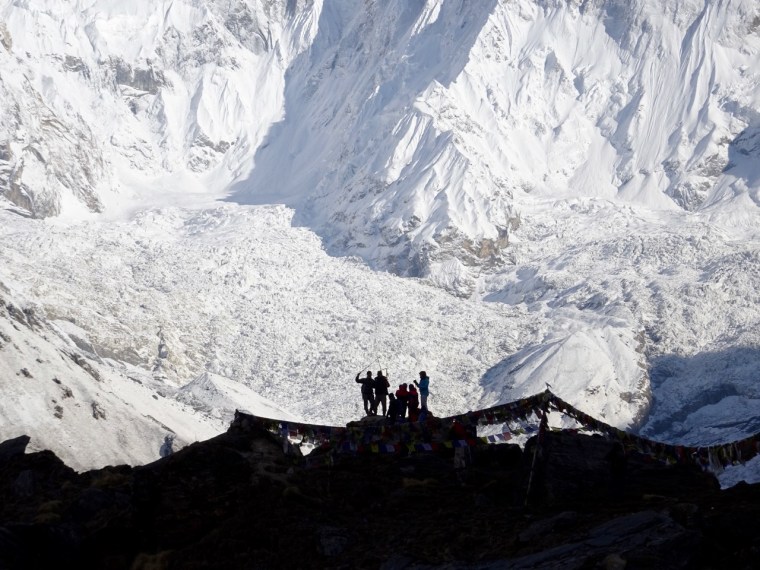
Here is a video taken in the early morning light – it gives you an idea of how magnificent it was.
We very reluctantly started our descent at 9.00. We wanted to stay longer but Pasang was worried about the weather which closed in each afternoon. ‘Jhong Jhong’ (let’s go, let’s go) he would say, and we knew he was right but it was oh so hard to tear ourselves away. Oliver became a little emotional when we informed him we had to go. He wanted to spend the whole day and another night.
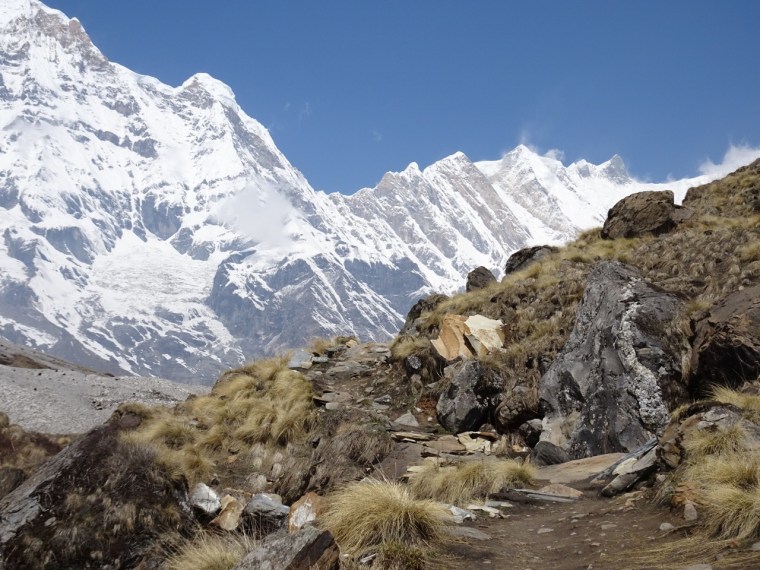
The journey down was just as great as the journey up. Slip sliding down the snowy hillside eased the pain of departure for Oliver who was enthusiastically joined in the fun by Tobin.
By day 8, collectively we operated like a well oiled machine. Tobin and Oliver often lead the way, chatting happily about the ins and outs of the ‘Percy Jackson’ books they have both devoured recently. They were like a roving mountain book club. ‘Let’s list all our favourite Greek demi-gods in alphabetical order’ I’m sure I overheard Tobin proposing to Oliver on one occasion.
Meanwhile Amy and Sydney discovered that stories made hiking all the more enjoyable and so Peter and I recounted tales of Shackleton, Scott, Amundsen, north American pioneers, and various adventurous travel experiences. It was a pleasure to watch as Sydney, Tobin, Amy and Oliver gradually began to behave increasingly like siblings, much as they have with other good friends back home. It was also a pleasure to get to know our new friends better and better as we all reveled in each others antics and personalities which became increasingly less guarded the further we went on.


I don’t know precisely how far we walked. There are too many possible routes to Base Camp for one standard measurement. Some signs suggested that direct route to be around 85 kilometres, but this didn’t include the loop we added to pass through Ghorepani and Poon Hill. Somewhere over a hundred kilometres seems most likely. A crude estimate of our elevation gain suggests we also climbed over four vertical kilometres to reach our goal. This however is undoubtedly a significant underestimate because it does not account for the many steep descents into and out of river crossing that had to be traversed between lodgings. Somewhere between 5000 and 6000 vertical metres seems more likely.
If someone had presented us with those figures before we set off, I’m not sure we would have gone. A 13-day trek, over a hundred kilometres in length and with a vertical elevation gain of approximately five kilometres sounds like a big ask for anyone, let alone 11 and 9 year olds. It goes to show you shouldn’t underestimate what your kids can do. It also goes to show that meeting up with adventurous Canadians should be part of everyone’s trip to Nepal!

For me the trek to Annapurna Base Camp was the best two weeks of our trip so far. I can’t wait to come back and trek to Everest Base Camp, the full Annapurna Circuit, and the Mustang, Langtang and other trekking regions.
Travel well Peter, Andrea, Sydney and Tobin. We look forward to more adventures in Iceland.
There were so many photos we wanted to include – so here are a few more that didn’t fit neatly in the text.
Some trekking shots:


People:


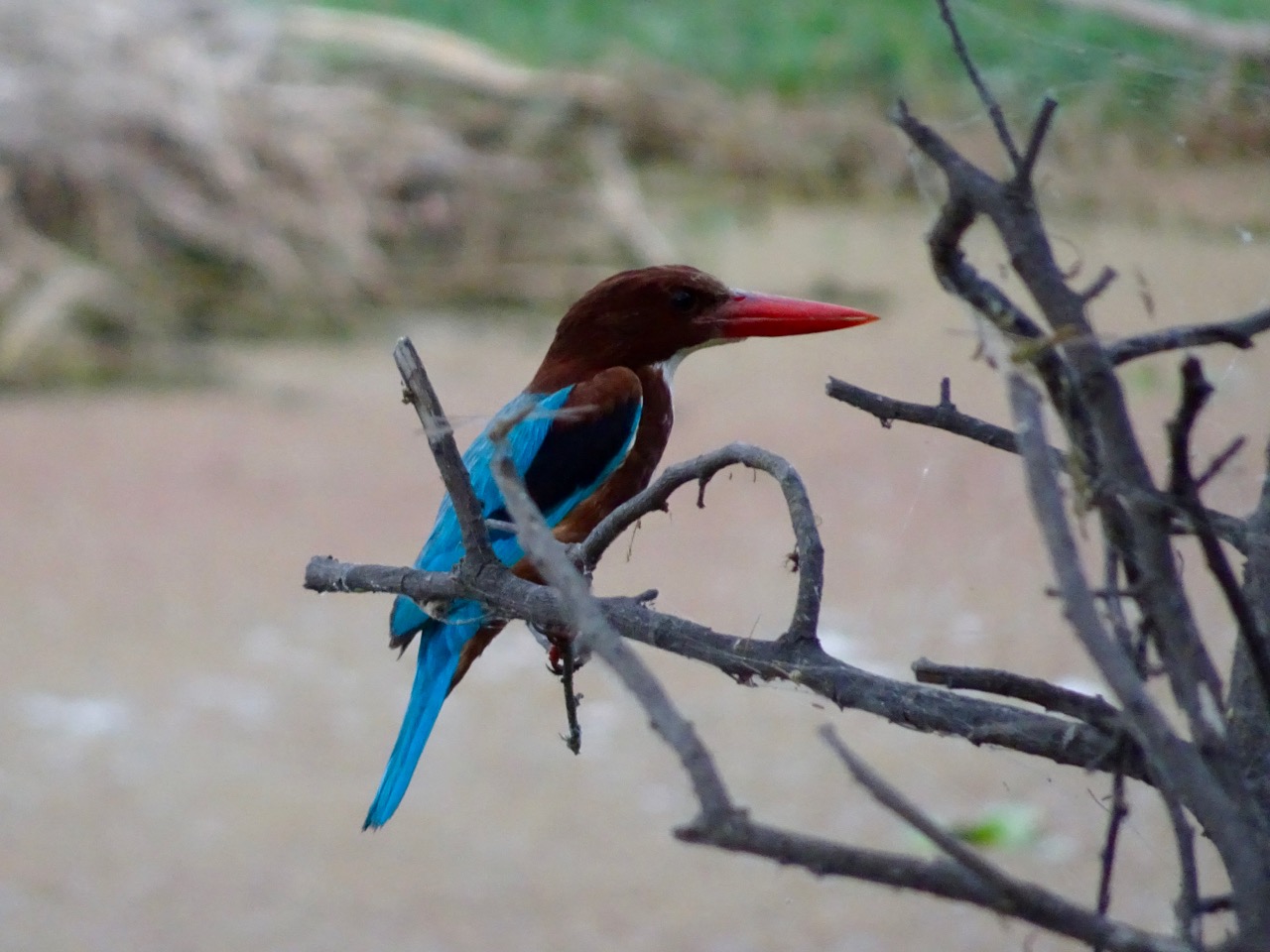
Animals:


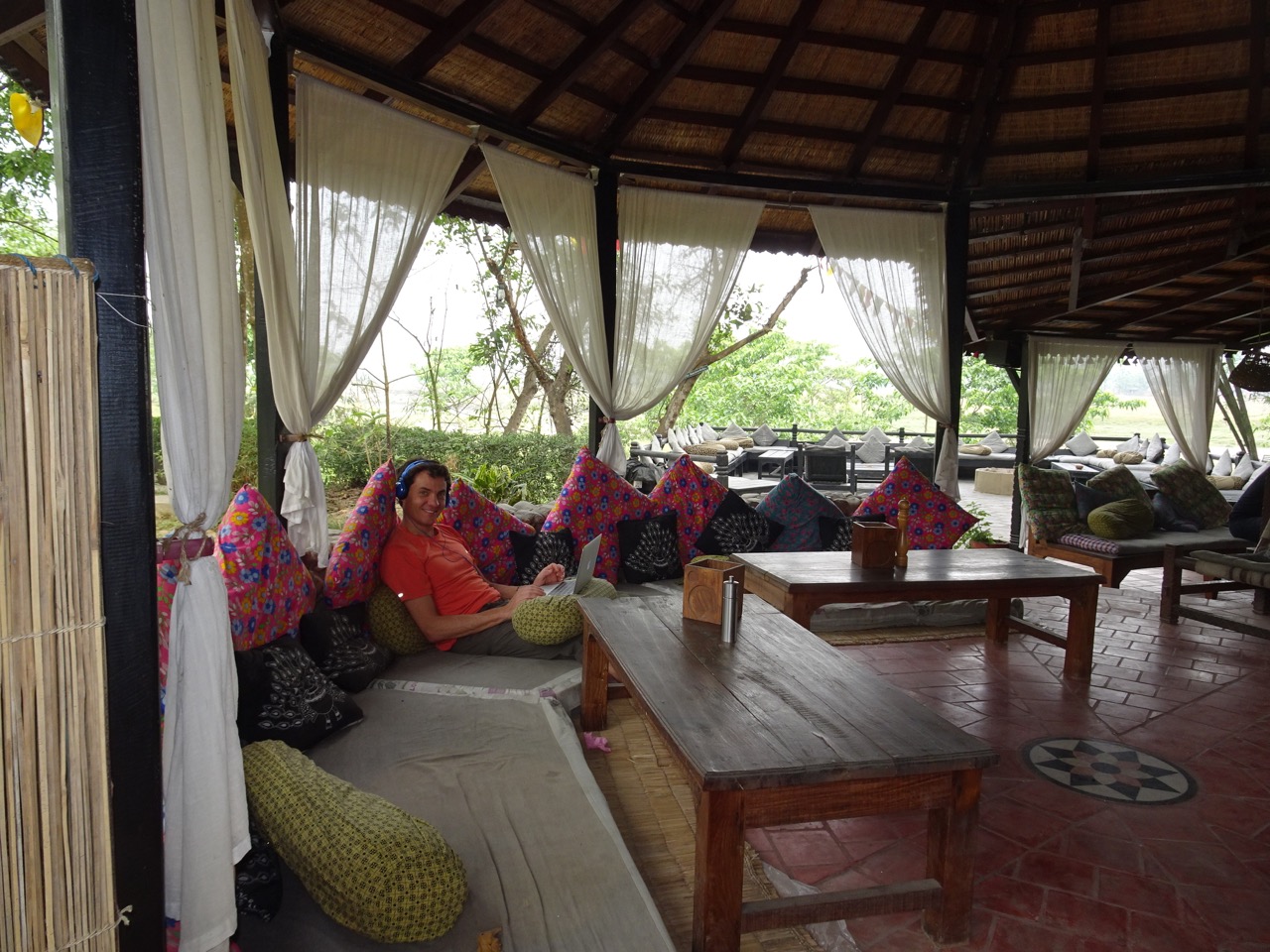
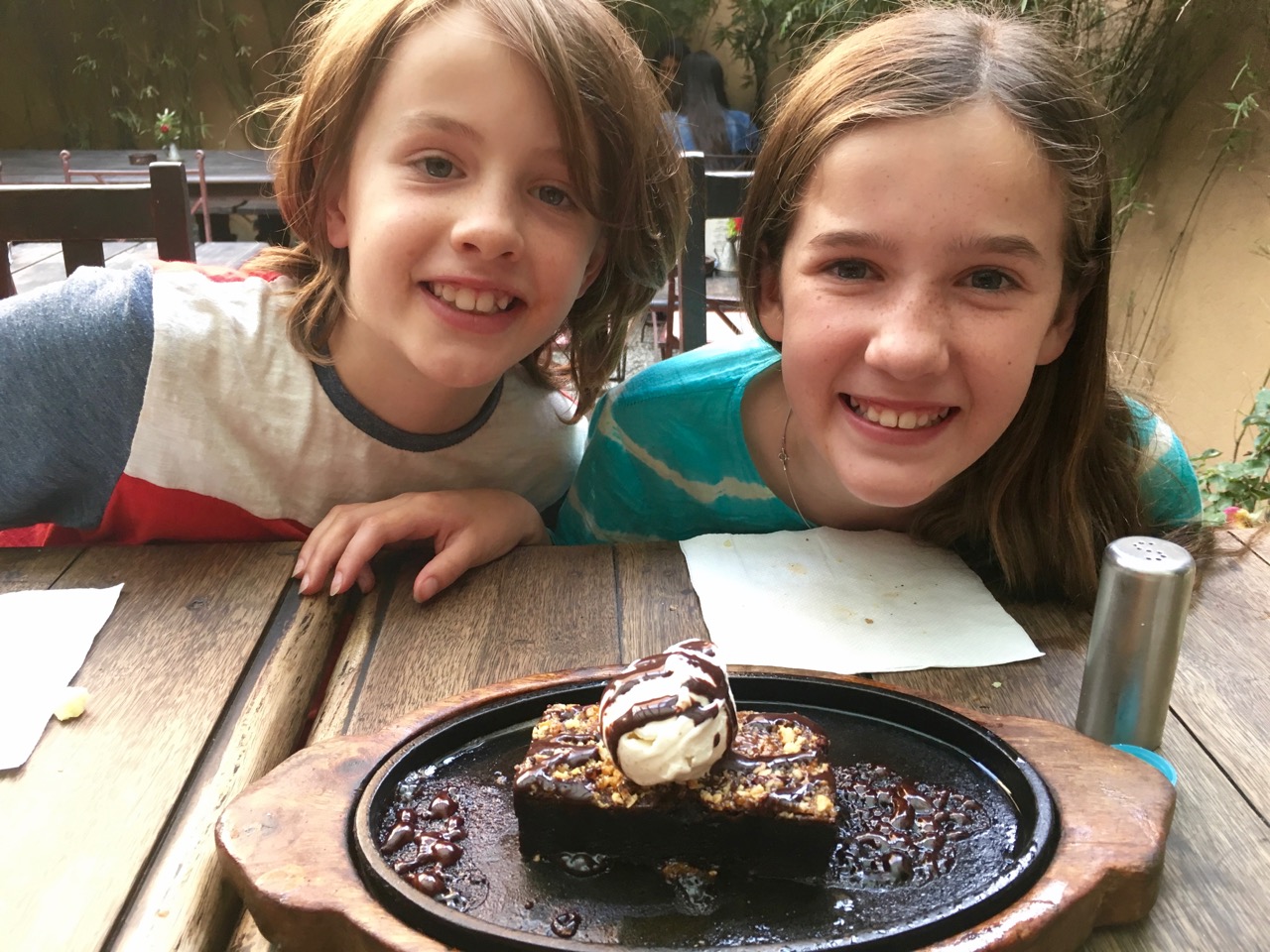
Teahouse times:


Finally thanks to the photographers: Peter, Greg, Andrea and Amy and probably Sydney too!












 8 itchy feet